When your systems go down, care doesn't get a pause button.

Healthcare downtime runs from tens of thousands an hour for a small clinic to millions for a large hospital — and that's before patient safety enters the equation.

When the EHR goes down, providers drop to thirty to fifty percent of normal capacity. Staff shift to paper, manual processes, and workarounds that take four to five times longer — and morale takes the hit right along with productivity.

Whether the disruption comes from ransomware, a failed AI deployment, or something nobody's predicted yet, the response is the same: you need a plan.

Request a 30-Minute Continuity Review

The Case for a Plan

Downtime costs scale with your size. HIPAA requires contingency procedures — emergency-mode operation isn't optional. And most organizations have a plan that was written once and never tested.

Financial Impact

Lost revenue, delayed claims, and recovery costs compound fast. For a CFO, the math is simple: a plan costs far less than a week of downtime.

Patient Safety

Manual workarounds mean slower medication reconciliation, missed orders, and delayed care. Continuity planning is a clinical safety issue, not just an IT one.

Staff Impact

Your team is your most valuable asset. When automation disappears, people burn out doing four times the work by hand. A tested plan protects them too.

What We Do

Practical, usable continuity planning — not a binder that sits on a shelf.

Cybersecurity Assessment

Once the continuity plan is in place, the natural next question is whether your security posture can protect it.

Ransomware is the single most common cause of modern healthcare disasters. An AI-accelerated attack moves faster than human response. Shadow AI tools staff are using without IT's knowledge create blind spots nobody's watching.

We assess your cybersecurity posture so the plan you build actually survives the threats that matter most — and we help you close the gaps before an attacker finds them.

About

When you hire Bradberry Advisory Group, you're not getting a template. You're getting someone who has been in disaster situations and cybersecurity events — and knows what it takes to coordinate the teams and align the organization around a plan that actually works.

U.S. Navy

I ran Damage Control Central aboard a combat ship — coordinating the response when systems fail and lives are on the line. That experience taught me something most consultants never learn: a plan only matters if the people executing it know their roles cold.
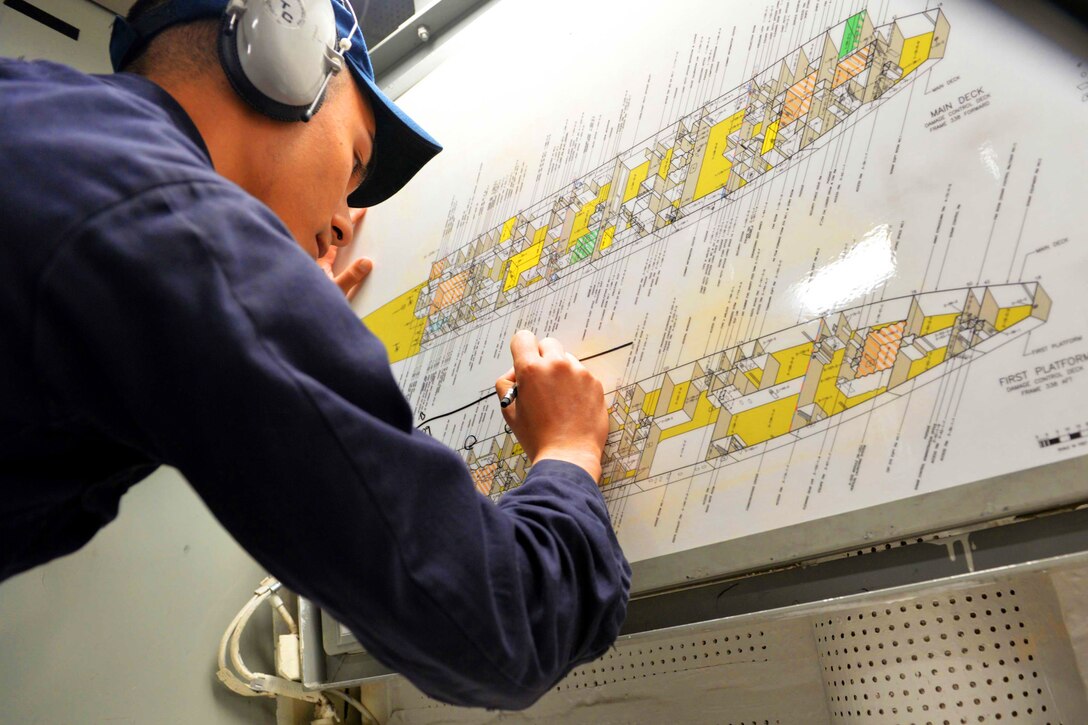
Sailor marking up a damage control board aboard a Navy ship

Healthcare IT

Since then, I've designed advanced recovery and disaster recovery solutions for hospitals running Epic, Oracle Health, and Meditech — the systems that keep care moving. I've built the plans, run the exercises, and coordinated the vendors when infrastructure was needed.
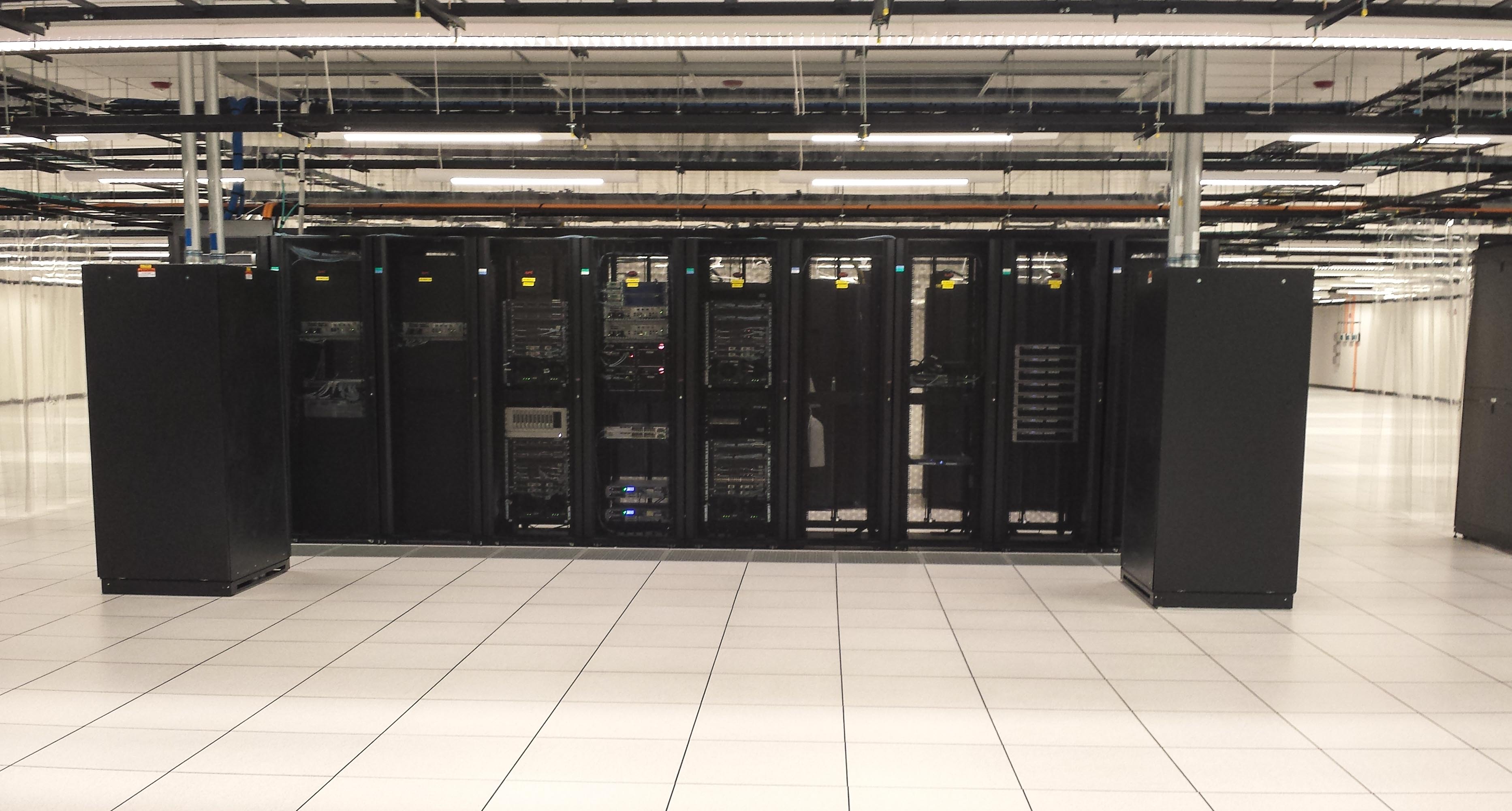
Healthcare IT server infrastructure

Cybersecurity

As a Chief Information Security Officer and Chief Technology Officer, I've led security and technology programs across healthcare organizations — protecting the systems that care depends on. I hold a doctorate in cybersecurity, and I bring that depth to every engagement — not as theory, but as practice.
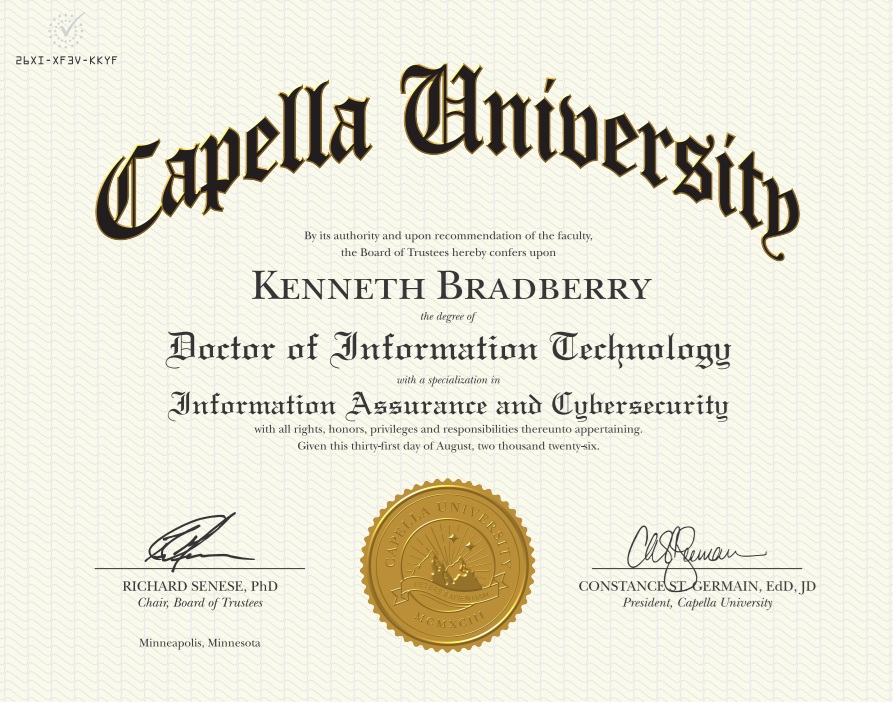
Doctorate in cybersecurity diploma

Connect with me on LinkedIn